
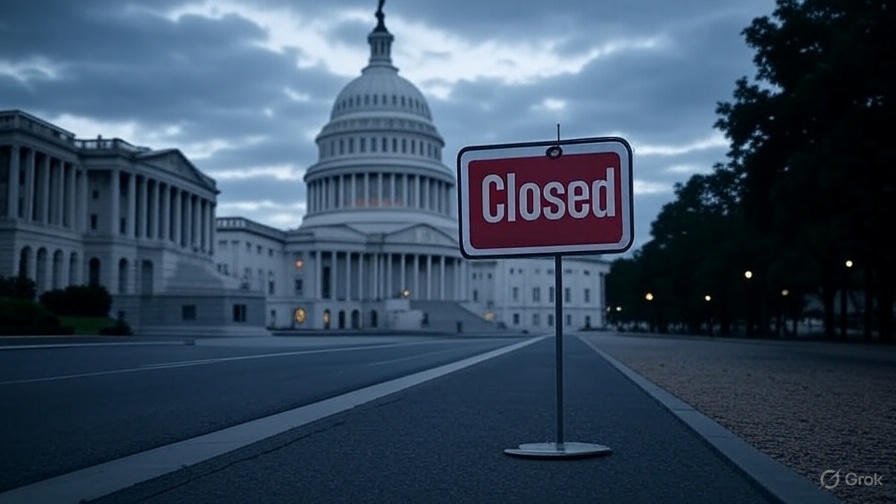
Government Shutdown Risk is once again casting a shadow over Washington, D.C., and more importantly, over households and businesses across the country. As lawmakers spar over spending bills, millions of federal workers are bracing for missed paychecks, small businesses are wondering if loans will be delayed, and families dependent on government programs are left facing uncertainty.
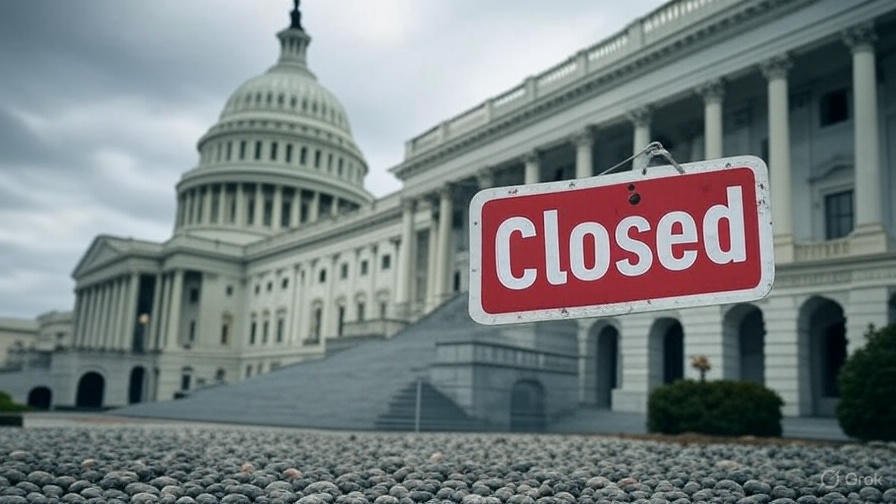
While political standoffs in the nation’s capital are hardly new, each potential shutdown feels more personal for the people whose daily lives get caught in the crossfire.
What’s Driving the Government Shutdown Risk?
The current Government Shutdown Risk is tied to disagreements in Congress over federal spending priorities. Lawmakers are deadlocked on key issues ranging from defense budgets to social safety nets, with both parties digging in their heels.
As the deadline for passing a funding bill approaches, the clock is ticking. If Congress fails to act, federal agencies will run out of funding, triggering a shutdown. In past years, shutdowns have lasted from a few days to over a month, with widespread consequences.
Who Will Feel the Impact First?
If the government shuts down, the impact will ripple quickly.
- Federal Workers: Nearly 800,000 employees could face furloughs or work without pay until funding resumes.
- Travelers: Air traffic controllers and TSA officers often work without pay, leading to staffing shortages and travel delays.
- Families on Benefits: Programs like SNAP (food assistance) and WIC may see delays, leaving low-income families vulnerable.
- Veterans & Seniors: Services at VA hospitals and Social Security offices could be slowed, even if checks still go out.
For a breakdown of how shutdowns affect services, see Congressional Research Service: Shutdowns Overview.
The Ripple Effect on Local Communities
The Government Shutdown Risk doesn’t just affect Washington—it ripples through towns and cities across America.
Local contractors who rely on federal projects may see payments frozen. Small businesses waiting on SBA loans could face delays. Even schools in districts with federal funding could be impacted.
For example, in one Virginia town near a military base, restaurants and shops remember the sting of the 2018–2019 shutdown, when business plummeted as federal workers tightened their budgets.
The Political Blame Game
As always, the Government Shutdown Risk has become a political weapon. Leaders from both sides are holding press conferences, pointing fingers, and shifting blame.
For Democrats, the message is about protecting social programs and resisting cuts to healthcare or education. For Republicans, it’s about limiting government spending and addressing the national debt.
Caught in the middle? Everyday Americans who simply want their paychecks, benefits, and stability.
Lessons from Past Shutdowns
The 2018–2019 government shutdown lasted 35 days—the longest in U.S. history. Federal workers went without paychecks, national parks closed, and the economy lost billions of dollars.
A Government Accountability Office (GAO) report estimated that the shutdown cost the economy at least $11 billion, with $3 billion permanently lost. That history is fueling concerns today: if the Government Shutdown Risk becomes a reality again, the financial toll could be just as severe.
How Families Can Prepare
Financial experts suggest families prepare for the possibility of a shutdown by:
- Saving where possible: Even a small emergency fund can cushion a missed paycheck.
- Checking benefits: Stay updated on programs like SNAP or childcare assistance.
- Communicating with employers/landlords: Many offered leniency during past shutdowns.
- Reaching out for community support: Local nonprofits often step up during funding gaps.
For additional tips, see our guide to household budgeting during crises.
Human Faces Behind the Numbers
Behind the statistics are real stories.
Michael Harris, a TSA agent in Atlanta, recalls the stress of the last shutdown:
“I was still working 10-hour shifts, but no paycheck came in for weeks. My wife and I had to borrow money to keep up with bills. It felt like we were pawns in a political game.”
Families like Michael’s represent why the Government Shutdown Risk isn’t just an abstract political fight—it’s about people’s livelihoods.
What Comes Next?
Lawmakers have days left to strike a deal. If they fail, the government could partially close, leaving millions of Americans affected until a resolution is reached.
For now, the best advice from experts is to stay informed, prepare for potential disruptions, and contact local representatives to express concerns.
Final Thoughts
The Government Shutdown Risk is more than a headline—it’s a reminder of how political gridlock in Washington has tangible effects on everyday life. While politicians debate spending, it’s families, workers, and small businesses who shoulder the consequences.
Whether this crisis ends in compromise or shutdown, the story is the same: until leaders find common ground, the cycle of uncertainty will continue to weigh heavily on the American people.